
Warehousing: part of total supply chain
Warehousing is never standalone.
At Newcorp, storage connects transport, compliance and fulfilment into one controlled flow. One partner, one overview, no loose ends.

When warehousing becomes complex
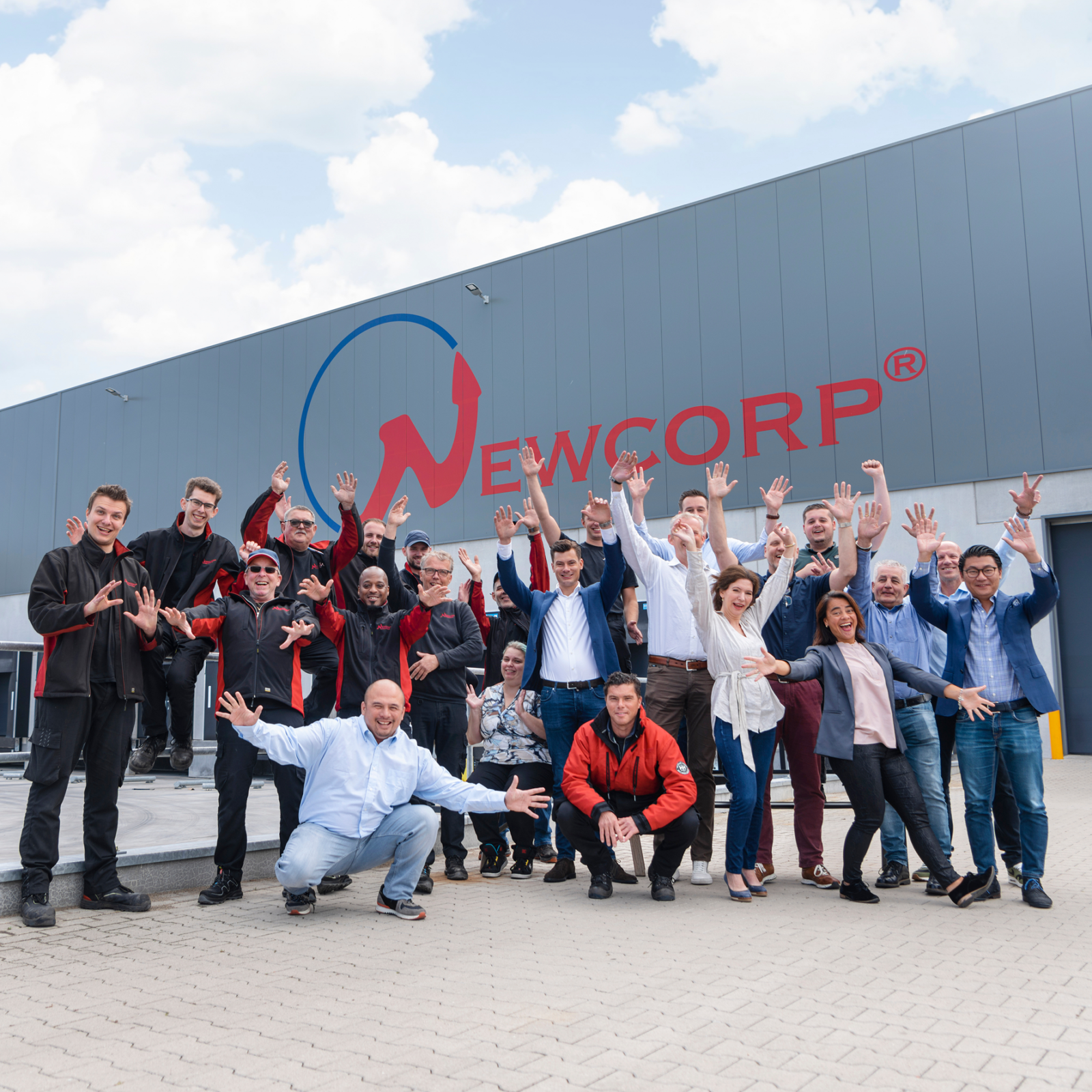
Warehousing is simple until it becomes part of international logistics. Goods arrive before clearance, transport schedules change, and documentation runs parallel to physical flows. With multiple parties involved, control fades quickly.
Without a single point of coordination, storage turns into waiting time, costs increase and visibility disappears. This is not about pallets. This is about control over timing, inventory and compliance.




Everything you need to import into the EU
Ruimte voor een stukje text.

International warehousing with specialised facilities
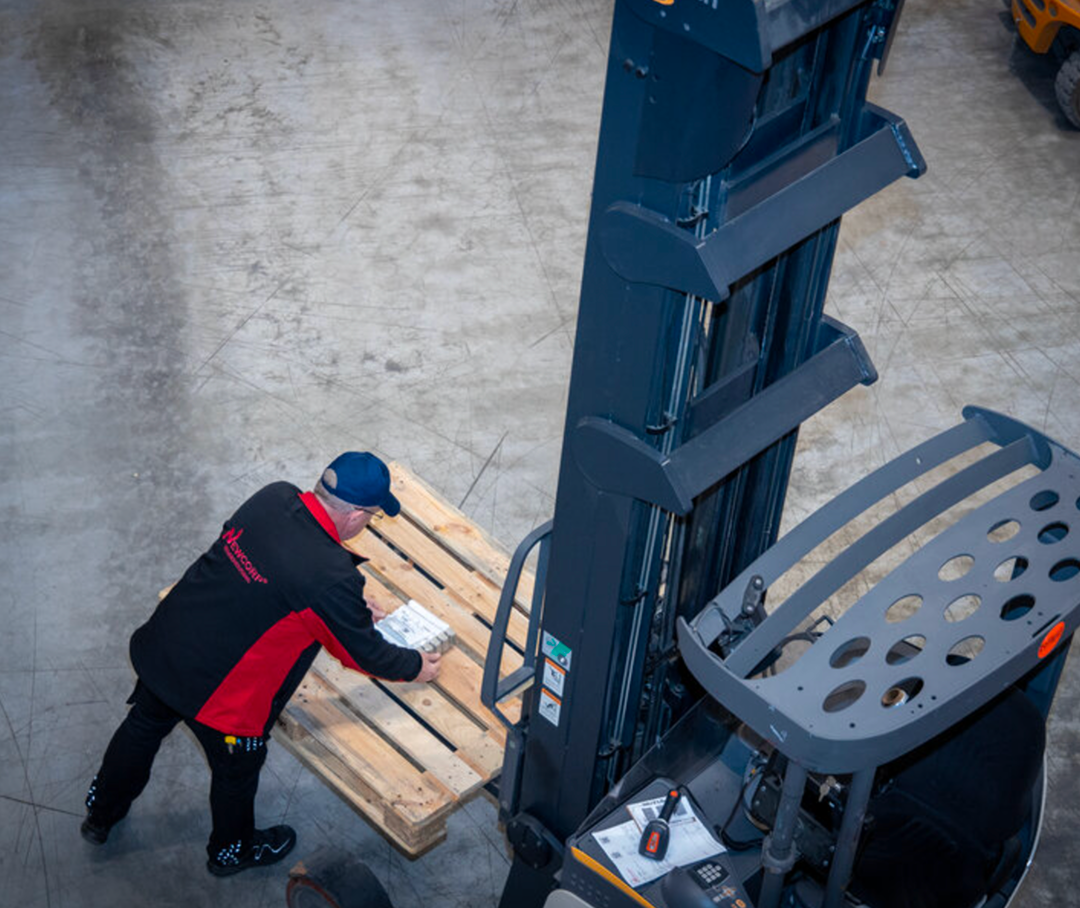
Our warehouses near the port of Rotterdam are equipped for professional international warehousing. As a 3PL warehouse in the Netherlands, we support the storage of FMCG, food, medical equipment and (alcoholic) beverages. With temperature-controlled storage, bonded warehousing and certified environments such as AEO and SKAL, we provide a secure and compliant setup for both standard and regulated goods. The facilities include cross-docking operations, approximately 12,000 pallet locations and fulfilment capabilities, making our Rotterdam warehouse a strategic hub within international supply chains.
From warehousing to fulfilment
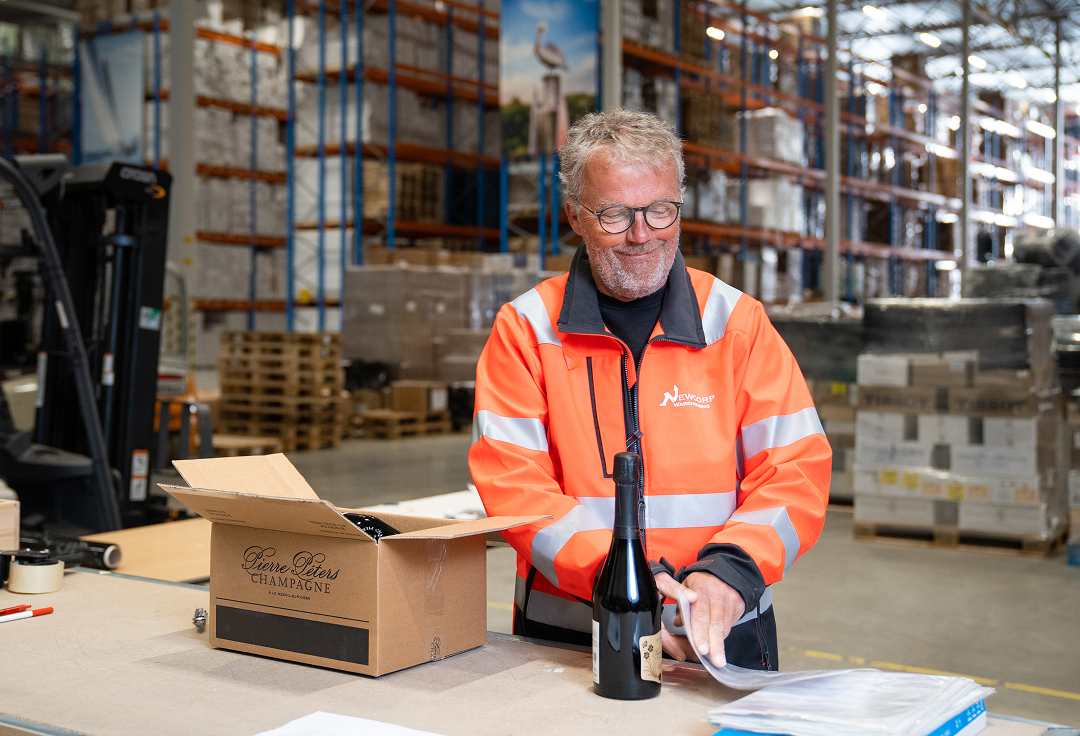
Warehousing is about storing and managing inventory. Fulfilment starts when goods are prepared for shipment to customers. Our warehouse setup is designed to support that transition smoothly, from inventory handling to outbound processing. When distribution becomes more frequent or order-driven, fulfilment becomes the next logical step.
One partner. One contact. No surprises.
Importing into the EU comes with complex rules and risks.
Ruimte voor een stukje text.
Compliance without complexity
We anticipate EU regulations, prevent delays and make sure your goods move smoothly across borders.
Dedicated point of contact
You work with a single specialist who knows your business and oversees the full process from start to finish.
One partner for the entire EU import
From customs clearance and VAT to excise and final delivery. We coordinate every step, so nothing gets missed.
Everything you need to import into the EU
Ruimte voor een stukje text.
Align your warehousing with your flow
We take a look at your inbound and outbound flow and how warehousing fits in. You speak directly with our specialist.

Do you have any questions for us?
Call Jasper directly +31 85 210 2240 or message us at info@newcorplogistics.nl
Frequently asked questions
Find questions and answers related to the design system, updates and support.
Why do I need to use a design system?
A design system is a comprehensive framework that brings consistency, efficiency, and scalability to digital product design. It typically includes a collection of reusable components, design principles, visual guidelines, and coded elements that teams can use to build cohesive user experiences. By aligning designers and developers around a shared language.
What is a design system?
A design system is a comprehensive framework that brings consistency, efficiency, and scalability to digital product design. It typically includes a collection of reusable components, design principles, visual guidelines, and coded elements that teams can use to build cohesive user experiences. By aligning designers and developers around a shared language.
How do I use the Figma Token Studio?
A design system is a comprehensive framework that brings consistency, efficiency, and scalability to digital product design. It typically includes a collection of reusable components, design principles, visual guidelines, and coded elements that teams can use to build cohesive user experiences. By aligning designers and developers around a shared language.
Why do I need to use variables?
A design system is a comprehensive framework that brings consistency, efficiency, and scalability to digital product design. It typically includes a collection of reusable components, design principles, visual guidelines, and coded elements that teams can use to build cohesive user experiences. By aligning designers and developers around a shared language.